
A year of hiking, skiing, and everyday life later, the COROS Vertix 2S hasn’t left my wrist. I picked it up ahead of my Aconcagua climb in Argentina, sparked by a video I came across just weeks before the trip. And at this point, I’ve got a clear sense of what stands out and where it falls short. Let me break it down.
 What Stands Out
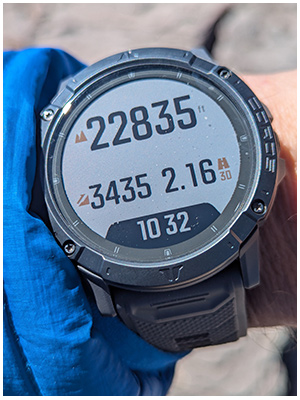
What stands out most with this watch is its battery life, GPS accuracy, ease of use, and the level of customization it offers.
Battery life is easily a standout feature. This isn’t a watch that just gets you through a day or two—it goes for days, even weeks. In my case, I charge mine about once a month. So I don’t have to plan my activities around charging windows or carrying backup power—it simply lasts, which makes it incredibly reliable for longer adventures.
GPS accuracy is right up there with battery life. From long hiking days to full ski sessions stacking vertical, the tracking has been consistently solid. Distances align with expectations, routes are clean, and elevation data holds up well—even compared to what I see when tracking the same activity on my phone. Even on trails with tight switchbacks or sections of tree cover, it follows the route cleanly without cutting corners or drifting off.
Ease of use is another strong point, though it takes a little time to get there. The interface is straightforward, the buttons are responsive, and once you’ve spent some time with it, navigating through activities becomes second nature—especially after customizing it to fit your preferences.
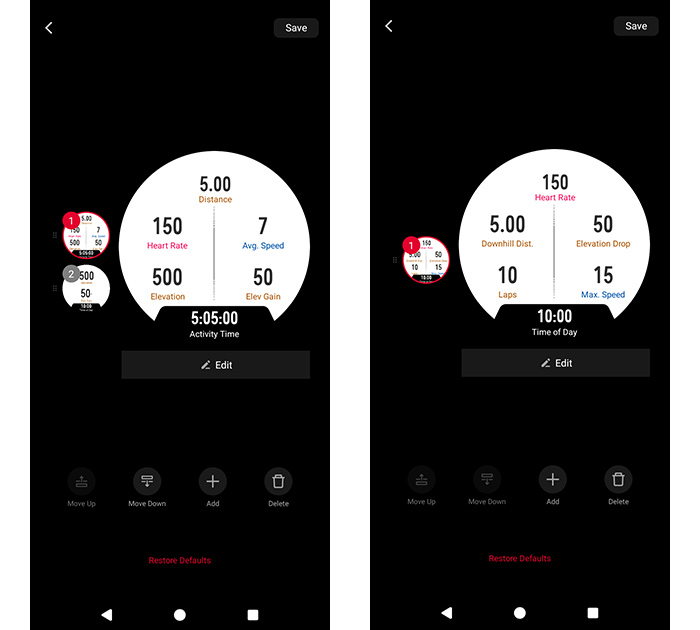
Using the COROS app on your phone, each activity can be customized to display the stats that matter most. For example, I like to see Distance, Heart Rate, Average Speed, Elevation, and Elevation Gain for hiking (left), while I’m more interested in Heart Rate, Downhill Distance, Elevation Drop, Laps, and Maximum Speed for skiing (right).
Speaking of customization, you can also set the orientation of the crown and side buttons. I configured mine to the left to be worn on the left hand, and I’ll explain why next.
 Where It Falls Short
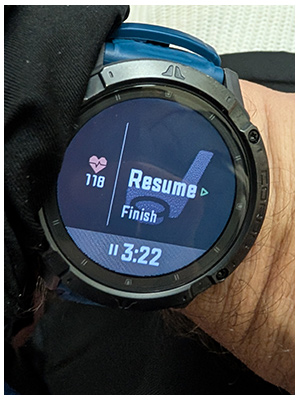
The biggest drawback I’ve run into is how easy it is to accidentally pause tracking. I first experienced this on Day 5 of my Aconcagua expedition, trekking from Casa de Piedra to Plaza Argentina. The touchscreen was set to Always On, and I had just put on a long-sleeved sun hoody. When I checked my stats a while later, tracking had somehow been paused—likely from the sleeve brushing against the screen. I was furious. This was not the trip to have jacked-up stats. Fortunately, I was also tracking this route with my phone, something I’ve relied on for years. I immediately turned the touchscreen off and changed the button orientation at the same time.
With the crown on the right—its default position for a left-handed wearer—it was easy to see how simply bending my wrist could accidentally press that button and pause tracking. This problem would be even more likely to occur with gloves on, or from the strap of a ski pole or the leash of an ice axe.
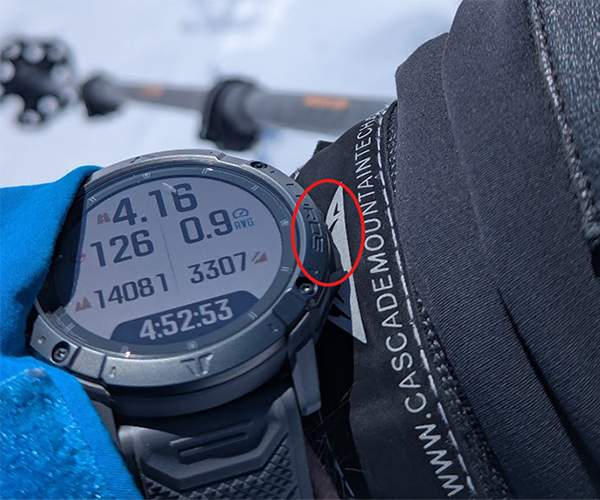
When I saw a photo of Karl Egloff’s COROS from the day he set his Aconcagua speed record, my first thought was, “I hope he had another device tracking—just in case he accidentally bumped that button and didn’t realize it.”
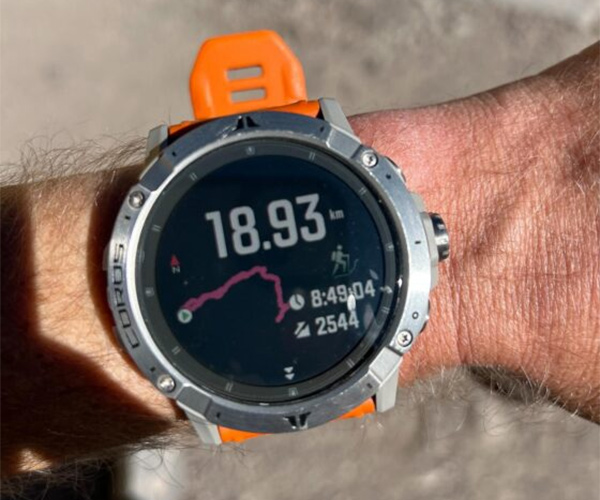
Even after setting the crown to the left on my left wrist to avoid wrist bumps, I’ve still had issues with bulky clothing or a hockey elbow pad tapping the crown. It’s frustrating to have to keep checking that tracking hasn’t been paused, especially when it’s buried under two or three layers of ski clothes.
I’d really like to see this feature made harder to trigger—something like a two-button press to pause.
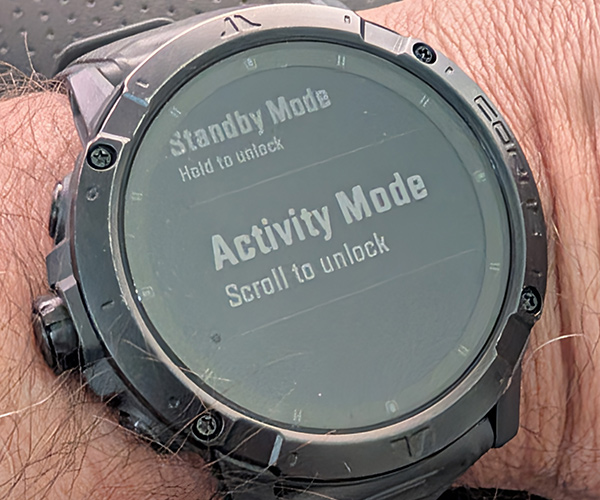
Update (May 2026): After reaching out to COROS support, they suggested switching the Auto Lock setting from “Hold to Unlock” to “Scroll to Unlock” in Activity Mode as a workaround. This helps, but it’s not foolproof. You still have to unlock the watch to scroll to a second screen or map view. Personally, I’d rather be able to access those screens in a risk-free read-only mode, while requiring a dedicated two-button press to control tracking.
Too Much Clutter
Lastly, let me get rid of the noise. I don’t need a long list of niche sports I’ll never track cluttering my watch. I’m also not a runner or a cyclist, and that’s not likely to change, so features that prioritize or highlight those activities simply don’t add value to me. As a hiker, mountaineer, skier, and snowboarder, I’d rather see the experience tailored to the activities I actually participate in—more like a watch designed by mountaineers, for mountaineers. It’s essentially a mini computer on your wrist, capable of showing exactly what I want to see. Give me the ability to streamline that experience, and it would make a strong watch even better.